NMOS BCP-008 Helps Solve These 7 Real-World Broadcast Problems

Modern broadcast facilities are increasingly distributed, software-defined, and multi-vendor. As systems become more complex, diagnosing problems quickly becomes just as important as preventing them.
NMOS BCP-008 Minimum Status Reporting gives manufacturers a common way to communicate device health and status while giving users the consistent information they need to identify problems faster, reducing troubleshooting time, and improving operational resilience.
It provides meaningful, standardized status information directly from end devices, making it easier to diagnose and resolve issues before they impact operations. Even experienced engineers benefit because they can pinpoint problems more quickly, while operators get clear, actionable status information with no setup required.
BCP-008 is designed to grow. Manufacturers can report additional device-specific conditions using the same standardized framework, giving users even greater visibility into the health of their systems.
The following real-world examples illustrate the kinds of IP operational challenges broadcasters face every day and how vendor-agnostic standardized status reporting can dramatically reduce the time it takes to identify and resolve them.
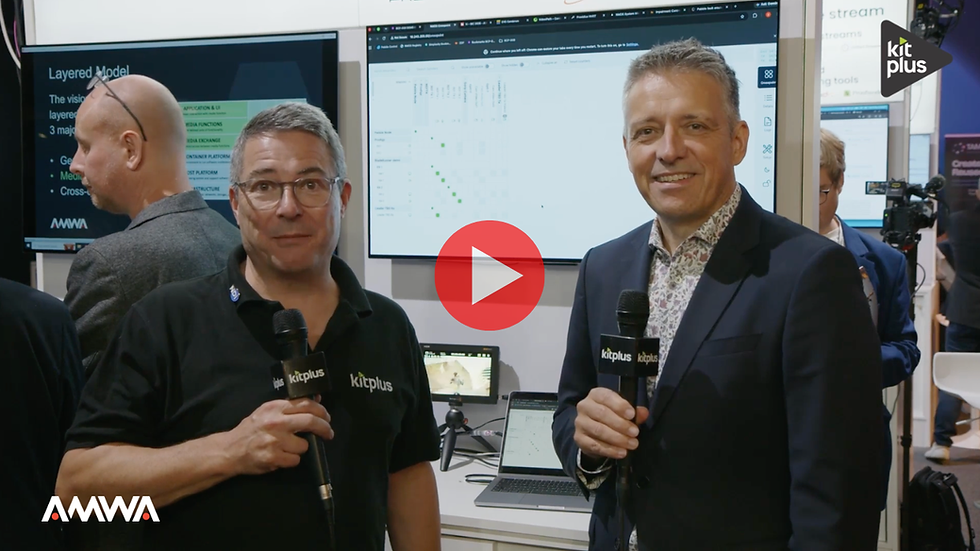
These examples are based on the NAB presentation by Stefan Ledergerber from Simplexity about NMOS BCP-008 Minimum Status Reporting. Watch the full presentation here.
1. When Your Backup Network Isn't Really a Backup
A journalist was editing audio using redundant network A and network B connections. Everything appeared normal until network A went down. Only then did he discover that an IT update had silently disabled one of the network interfaces in its operating system. The control and monitoring system still showed everything as connected, so no one knew there was a problem until the backup path was actually needed.
With NMOS BCP-008 Minimum Status Reporting, the device could have immediately reported conditions such as packet loss on the backup network, allowing the issue to be corrected before it disrupted operations.
2. Connected... But No Audio
An audio engineer connected several audio streams to a console. Everything showed as connected, and the network monitoring system confirmed traffic was flowing. Yet one receiver had no audio.
The cause was a latency configuration mismatch. Packets were arriving, but they were too late because the receiver had been configured for a very low-latency local connection while the sender was actually located at another site.
BCP-008 could have reported late packets in a standardized way, allowing engineers to identify the problem almost immediately.
3. The Problem Already Went Away
A system was reported to be having problems. An operator checked, and everything was working normally. (Service had already been restored).
But a status indicator showed the operator that a network link had gone down twice earlier in the day. Even though the fault had cleared, that historical information provided valuable context for troubleshooting and suggested someone had disconnected a cable or that another intermittent event had occurred.
Instead of guessing what happened, BCP-008 preserves useful operational information until it can be reviewed.
4. A Small Problem That Kept Coming Back
Another operator noticed a status indicator showing that a network link had gone up and down repeatedly.
The system was still operating, but the repeated events suggested something very different from a one-time interruption. A failing connector, aging SFP, or another hardware issue could now be investigated before it resulted in an outage.
Standardized status reporting helps engineers identify recurring problems while they're still small – without a full-blown monitoring system.
5. The Once-a-Month Mystery
A broadcaster experienced occasional audio and video glitches that occurred only about once a month.
The cause turned out to be subtle. One playout system was configured according to the 2015 version of SMPTE ST 2059-2, while the rest of the facility used the 2021 version.
Because the two versions use different default PTP announce intervals and timeout values, the playout system would occasionally assume the PTP master had disappeared and briefly attempt to become the master itself.
Without standardized reporting, the issue took significant effort to diagnose. With BCP-008, the behavior would have been visible immediately.
6. Understanding PTP Changes
An engineer noticed a small status counter indicating that something had happened four times.
A quick mouse hover with NMOS Control revealed the answer: the device had previously switched to a different PTP grandmaster.
No vendor-specific software. No custom configuration. Just standardized status information that immediately explained what had changed and helped the engineer understand the system's behavior.
7. The Spare System That Took Down Everything
One television station suddenly lost all of its playout channels overnight.
The main and backup playout systems appeared healthy. The real culprit was a spare playout system that wasn't even on air. After being rebooted, it began transmitting malformed packets that overwhelmed a downstream changeover device, affecting every channel of the station. Even a team of experts needed several hours to identify the root cause. It led to an early morning panic at the station.
With standardized status reporting from the affected devices, engineers could have quickly narrowed their search to the correct part of the system instead of chasing symptoms.
Better Visibility, Less Configuration
One of the strengths of NMOS BCP-008 is that it works independently of large monitoring systems while complementing them.
Devices can provide meaningful, standardized status information with no manual setup. Engineers spend less time configuring monitoring systems and more time solving problems.
The framework is extensible. Manufacturers can report additional device-specific conditions using the same standardized mechanism, providing even greater visibility into system health.
If you're developing broadcast products, now is the time to add support for BCP-008 to your devices. Explore the developer resources for NMOS Minimum Status Reporting.
And if you’re heading to IBC, be sure to visit AMWA on the EBU stand (10.D21) to check out a live demo of BCP-008.